Best Male Enhancement Supplement for ED: What Studies Report
This is the query where the gap between what people want and what the evidence offers is widest. Here is what the published research actually covers, and the reason a clinician belongs at the front of this process rather than the end.
Quick answer
There is no best supplement for ED, because no dietary supplement is a treatment for erectile dysfunction and none may be sold as one. Erectile difficulty is a medical symptom that can signal cardiovascular, hormonal, neurological or medication-related causes, so an assessment by a doctor comes first — before any purchase.
- See a clinician first. Erectile difficulty is often the earliest visible sign of a vascular problem.
- Two ingredients have real research: L-citrulline for blood-flow markers, Panax ginseng for questionnaire outcomes.
- Supplements support general wellbeing — they do not diagnose, treat or cure anything.
Of every phrase in this category, best male enhancement supplement for ed is the one that most deserves a careful answer, because the people typing it are usually worried rather than curious. It is also the phrase most likely to land on a page that quietly implies a supplement can substitute for medical care. It cannot, and a page that says otherwise is not doing you a favour.
So this piece does two things. It sets out plainly why a clinician belongs at the start of this process. Then it describes, honestly, what the published research on the relevant ingredients does and does not show — including the parts that are weaker than the marketing suggests.
1. Start here: this is a symptom, not a shopping category
Erectile difficulty has a long list of possible contributors, and most of them are not addressable by anything sold in a bottle. Vascular disease, high blood pressure, diabetes, low testosterone, thyroid disorders, nerve injury, prostate surgery, depression, anxiety, relationship stress, alcohol and a long list of common prescription medications all appear on it.
The reason clinicians take the symptom seriously is that the small blood vessels involved are often affected before the larger ones. That means the symptom can be an early, visible signal of a cardiovascular process that has not yet announced itself in any other way. Using a supplement to postpone that conversation is the genuine risk in this whole area — not the capsules themselves, but the delay.
The most expensive supplement in this category is the one that buys you six months of not going to the doctor. Nothing on a label is worth that trade.
2. Why searching for the best male enhancement supplement for ED goes wrong
The query itself contains a category error, and it is worth naming rather than glossing over. Dietary supplements in the United States may make structure and function claims — supporting healthy blood flow, supporting stamina, supporting energy metabolism. They may not claim to diagnose, treat, cure or prevent a disease, and erectile dysfunction is a diagnosable condition. A product that markets itself as a solution for it is either breaking the rules or is not a supplement.
That is why every page that ranks products for this query has to either dodge the wording or overstep it. There is no honest ranking to give, because the outcome being ranked is one no compliant supplement is allowed to promise. What exists instead is a much narrower question: do any of these ingredients have published human evidence relating to blood flow, stamina or general vitality? That question does have an answer.
If you are going to buy something, buy something you can check
After the clinical conversation, compare on what is disclosed rather than on what is promised. Men researching the best male enhancement supplements on the market should be reading the panel, the return window and the cost of a sustained supply.
3. The nitric-oxide pathway, in plain language
Almost every credible mechanism in this category runs through one pathway, and it is worth understanding because it explains both the promise and the ceiling.
Blood vessel walls contain smooth muscle. When that muscle relaxes, the vessel widens and flow increases. The signal that tells it to relax is nitric oxide, a short-lived gas produced by the endothelium from the amino acid arginine. More available arginine can mean more nitric oxide production, at least in people whose pathway is under-supplied.
Here is the twist that makes citrulline interesting. Swallowing arginine directly is inefficient, because much of it is broken down during first pass through the gut and liver. L-citrulline bypasses that route: it is absorbed, travels to the kidneys, and is converted to arginine there. Studies comparing the two consistently find citrulline raises plasma arginine more effectively than arginine itself does. This is real biochemistry, not marketing.
The ceiling is equally real. Widening a vessel chemically for a few hours is not the same as repairing an endothelium that has been damaged over decades, and it does nothing at all for a nerve-related or medication-related cause. We go through how long each of these effects lasts in our piece on why supplement effects are not permanent.
4. What the trials actually measured
Reading a study's outcome measure tells you more than reading its conclusion. The table below sets out what the research on each relevant ingredient has typically examined, at what dose, and how strongly we would grade it. Dose ranges describe published study protocols, not a recommendation and not the contents of any product.
| Ingredient | Study dose range | Typical duration | What was measured | Evidence strength |
|---|---|---|---|---|
| L-Citrulline | 3–6 g daily | Days to 4 weeks | Plasma arginine, vascular markers, exercise output | Moderate for mechanism |
| Panax Ginseng | 600–1000 mg extract | 8–12 weeks | Questionnaire scores, fatigue | Moderate, uneven quality |
| Maca Root | 1.5–3 g daily | 8–12 weeks | Self-reported desire and energy | Weak, small samples |
| Rhodiola | 200–600 mg extract | 2–8 weeks | Fatigue and stress scales | Weak to moderate |
| L-Carnitine | 1–2 g daily | 8–24 weeks | Energy metabolism markers | Weak, slow |
| Grape Seed Extract | 100–300 mg daily | 4–12 weeks | Antioxidant and endothelial markers | Weak, indirect |
Notice what the fourth column contains and what it does not. These are markers, questionnaire scores and laboratory measures. They are legitimate research outcomes, and they are a considerable distance from the outcome someone typing this query has in mind.
5. Panax ginseng, the most-studied botanical here
If you want the single ingredient with the largest published human evidence base in this space, it is Panax ginseng. Multiple controlled trials exist, several have been combined in pooled analyses, and those analyses have generally been cautiously positive about questionnaire-based outcomes while flagging that many of the underlying trials were small and methodologically weak.
Two caveats deserve equal billing. Activity tracks ginsenoside content, and a product that does not publish a standardisation figure gives you no way to know whether its ginseng resembles the material used in research. And ginseng has one of the more documented interaction profiles among common botanicals — it can affect blood sugar and has recorded interactions with anticoagulants. That is a pharmacist conversation, not a footnote.
6. Where supplements clearly cannot reach
Honesty about the boundary is more useful than enthusiasm inside it. There are causes that no nutrient addresses, and if any of these apply to you the supplement conversation is largely irrelevant:
- Nerve damage from surgery, injury or long-standing diabetes.
- Medication side effects — several common drug classes contribute, and the fix is a prescribing conversation, not an additional capsule.
- Significant vascular disease, which needs managing as cardiovascular disease.
- Clinically low testosterone, which requires measurement and medical management. No botanical in this formula moves it.
- Psychological and relationship factors, which respond to approaches nothing in a bottle can imitate.
There is also the structural claim, and it belongs in the same list. No supplement changes size or anatomy. We set out why in our piece on how the claims compare with published research.
7. Safety, interactions and who should be careful
Dietary supplements are not inert, and the risk profile here is specific enough to be worth listing. Speak to a pharmacist or doctor before starting anything if you take nitrate medication, blood pressure medication, anticoagulants, or diabetes medication; if you have a heart condition; or if you are due surgery.
Beyond interactions, the biggest safety issue in this category is adulteration — products sold as herbal that are found to contain undeclared prescription drug ingredients. That risk is concentrated in unlabelled, single-serve formats, and we cover how to check for it in our piece on what regulators find in counter-sold pills. If you take nitrates, an undisclosed PDE5 inhibitor is a genuine hazard rather than a theoretical one.
8. Using a supplement sensibly, if you decide to
After the medical conversation, if you and your clinician are comfortable with the idea, a few practical rules keep the exercise honest.
Match the timescale to the research: give it eight to twelve weeks, because that is what the studies used, and stop judging it at day four. Change one thing at a time, or you will never know which one did anything. Write down what you are measuring before you start, since retrospective judgement of a subjective outcome is unreliable in both directions. Read the physical Supplement Facts panel the day the bottle arrives — our panel-reading guide covers what to check — and keep the sleep, exercise, alcohol and blood pressure side of things moving in parallel, because that is where the durable change lives.
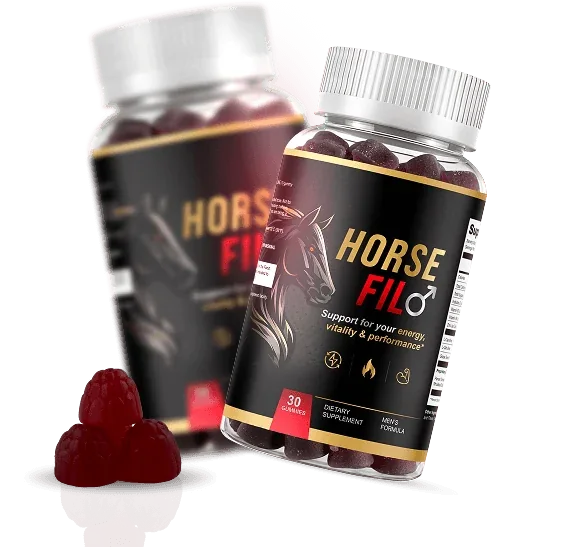
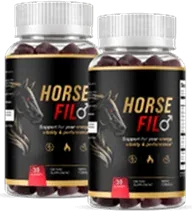
The formula this site covers names L-citrulline, L-carnitine, Panax ginseng, maca, rhodiola and grape seed extract, and publishes no amounts for any of them. That means we cannot tell you whether a serving lands anywhere near the doses in the table above, and neither can anyone else until the panel is in your hand. That is a limitation of the product's disclosure, and we would rather state it than paper over it. If you are working out where to buy a testosterone booster or a vitality formula, favour the seller who publishes most.
9. What this article cannot tell you
It cannot tell you what is causing your symptom. That requires a history, an examination and usually bloods, and nothing on the internet substitutes for it.
It cannot tell you that any of these ingredients will help you. The evidence described above is early, mostly small, mostly short and mostly self-reported, and placebo responses in sexual-health trials are consistently large. It cannot tell you how a combination behaves, because combination formulas are almost never tested as combinations. And it deliberately does not tell you that any of this treats erectile dysfunction, because that would be both non-compliant and untrue.
There is no best male enhancement supplement for ED to name, because no compliant supplement is allowed to make that claim and the published evidence would not support it if one were.
What it can tell you is where the honest boundary sits: a clinician first, disclosure second, realistic expectations third. That is a less exciting answer than a ranked list, and it is the only one the evidence supports.
Frequently asked questions
Is there a best male enhancement supplement for ED?
No. No dietary supplement is a treatment for erectile dysfunction, and none should be presented as one. Erectile difficulty is a medical symptom that can point to cardiovascular, hormonal, neurological or medication-related causes, so the first step is an assessment by a clinician rather than a purchase. Some ingredients have published research on blood flow and general vitality, which is a different and much narrower claim.
What does L-citrulline actually do in the body?
L-citrulline is an amino acid that the kidneys convert into arginine, which is the substrate the body uses to make nitric oxide. Nitric oxide relaxes the smooth muscle in blood vessel walls, which is why the pathway is studied in relation to blood flow. Published exercise and vascular studies commonly use three to six grams a day, and the effect lasts only while you keep taking it.
Should I try a supplement before seeing a doctor?
No, and this is the most important point on the page. Erectile difficulty is often the first noticeable sign of a vascular or metabolic problem, so using a supplement to postpone an assessment can delay finding something that matters. Book the appointment first. A supplement, if you want one, is something to discuss at that appointment rather than instead of it.
Can these supplements be taken alongside prescription medication?
That is a question for a pharmacist or prescriber, not for a website. Panax ginseng has documented interactions with anticoagulants and can affect blood sugar, and anything that influences blood vessel tone deserves care if you take nitrates or blood pressure medication. Bring the actual label to the appointment so the amounts can be checked.
References and further reading
- NIH National Institute of Diabetes and Digestive and Kidney Diseases — Erectile Dysfunction
- Mayo Clinic — Erectile dysfunction: symptoms and causes
- NIH National Center for Complementary and Integrative Health — Asian Ginseng
- Harvard Health Publishing — Men's Health topic library
- PubMed — randomised trials of Panax ginseng and erectile function
We link to standing reference resources and to the literature itself rather than to a single trial, so you can check the current position rather than a snapshot that ages.