Natural Ways to Increase Testosterone
The methods that actually change a blood result are unglamorous, mostly free, and almost never the thing a pill advert leads with. Here is the foundation first, and where a supplement honestly fits second.
What are the fastest natural ways to increase testosterone?
The fastest levers are the boring ones. Fix short sleep first, because a run of five-hour nights measurably lowers testosterone in healthy men within a week. Add resistance training, lose excess body fat to reduce conversion into estrogen, and correct any genuine vitamin D, zinc or magnesium shortfall. Sleep is the one that can move within days.
- Sleep 7–9 hours: the single highest-yield change, and the quickest.
- Lift and lean out: resistance training plus lower body fat reduces aromatization to estrogen.
- Fix real deficiencies: vitamin D, zinc and magnesium help only if you were actually low.
If you have typed natural ways to increase testosterone into a search bar, you have probably already been sold the ending: a capsule, a powder, a stack of pills promising a hormonal reset by the weekend. This article takes the opposite route. The natural ways to increase testosterone that reliably change a blood result are unglamorous, mostly free, and built almost entirely on how you sleep, how you train, and how much body fat you carry. A supplement can sit on top of that foundation and help you stay consistent. It cannot replace it, and any honest page has to say so before it says anything else.
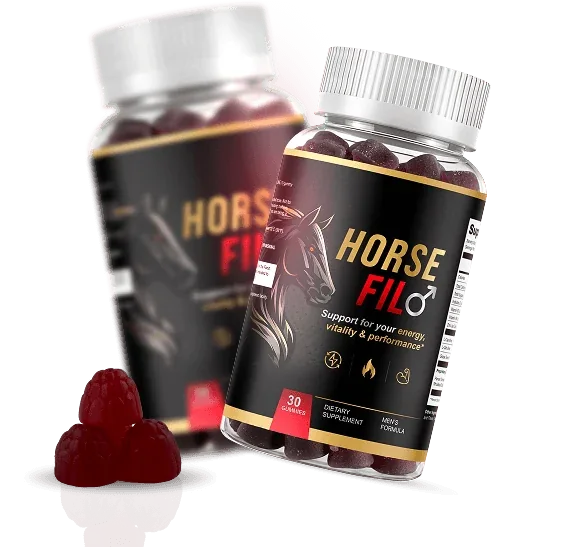
We cover HorseFil on this site, so you might expect the argument to bend toward the bottle. It does not. A botanical formula has its best and only real chance of being noticeable once the fundamentals are already in place. Sell the pill to a man sleeping five hours and skipping the gym and you have sold him nothing but a monthly charge. So the order below is deliberate. Foundation first. Product last, and only as an add-on.
Why testosterone drops in the first place
Testosterone declines gradually with age — a slow, roughly one-percent-a-year drift for many men after their thirties — and that part is normal biology, not a disease to be reversed with a supplement. What is far more actionable is the amount that gets knocked off the top by lifestyle: chronic short sleep, a sedentary week, rising body fat, heavy alcohol, and unmanaged stress. Those are not small contributors sitting behind the age curve. For a lot of men they are the difference between a low-normal reading and a comfortable one, and unlike your birthday, every one of them is something you can change this month.
If you suspect your levels are genuinely low rather than merely average, the right first move is a blood test and a conversation with a doctor, not a shopping cart. It is worth knowing the common signs of low testosterone in men so you can describe them accurately, but symptoms overlap with sleep debt, overtraining and plain stress, which is exactly why guessing from a symptom list alone tends to send people to the wrong solution.
The natural ways to increase testosterone that actually work
Strip the category down and there are four levers with real evidence behind them. In rough order of how much they matter and how fast they move: sleep, body composition, resistance training, and correcting genuine micronutrient deficiencies. Everything else — the exotic foods, the timing tricks, the single hero ingredient — is a rounding error next to these, and pretending otherwise is how the category earns its bad reputation.
1. Sleep is the lever nobody wants to hear about
This is the uncomfortable headline, so it goes first. In controlled studies, restricting healthy young men to around five hours of sleep for a single week lowered their daytime testosterone noticeably — the kind of drop that would otherwise take years of aging to accumulate. That is a remarkable finding precisely because it is so cheap to act on. You are not buying anything. You are protecting the seven to nine hours your body uses to do most of its hormone production.
The practical version is dull and it works: a consistent bedtime, a dark and cool room, screens down before lights out, and a hard cap on late caffeine and alcohol. Alcohol in particular is a double hit here, because it both fragments sleep and independently suppresses testosterone. If you do nothing else on this list, extend and protect your sleep for a fortnight and re-test. No pill on the market outperforms that change, and no supplement compensates for skipping it.
2. Body fat, aromatization, and why leaning out helps
The second lever is body composition, and it is mechanical rather than mystical. Fat tissue contains the aromatase enzyme, which converts a portion of testosterone into estrogen. The more excess fat you carry, the more of that conversion happens, which is one reason abdominal obesity so consistently tracks with lower testosterone in the research. Losing excess body fat lowers aromatization, and the effect tends to be most obvious in men who had the most to lose.
One caution matters enough to state plainly: the goal is losing excess fat while eating enough, not crash dieting. Aggressive, prolonged calorie restriction suppresses testosterone rather than raising it, because the body reads a severe energy shortage as a reason to down-regulate reproduction. A moderate deficit, adequate protein, and enough total food to keep training hard is the version that works. Starving yourself lean is a way to end up lean and lower, which is the opposite of the goal.
3. Resistance training does what cardio alone will not
Lifting weights is the training input with the strongest link to testosterone, particularly compound movements that recruit large amounts of muscle — squats, deadlifts, presses, rows, pulls. Two to four focused sessions a week is plenty for most people, and the acute hormonal bump from a session matters far less than the long-run effect of getting stronger and building muscle, which improves the body-composition lever from the section above.
Cardio still earns its place for your heart, your sleep and your waistline, and improving all three indirectly supports the hormone. But endless steady-state cardio with no resistance work is a missed opportunity here. If your week has room for one new habit, make it lifting. The point is not to chase a post-workout spike on a graph; it is to become the kind of leaner, stronger, better-sleeping person whose baseline is simply higher.
4. Micronutrients: worth checking, not worth megadosing
This is where supplements enter, and where the marketing gets slippery. Three micronutrients have a real relationship with testosterone: vitamin D, zinc and magnesium. The crucial and routinely buried detail is that correcting a genuine deficiency helps, while piling more on top of an already adequate level does close to nothing. Zinc supplementation raises testosterone reliably in men who were deficient; in men who were not, the effect largely disappears.
So the sensible move is to find out where you actually stand — a blood test and a doctor again — rather than megadosing on the assumption that more is better. Vitamin D is the one many people are genuinely short on, especially through winter and indoor lifestyles, which makes it a reasonable thing to check. But the framing "this mineral boosts testosterone" is only true with the silent asterisk "if you were low." Any product that leans on those three ingredients is leaning on a real mechanism and a narrow condition at the same time.
The two silent suppressors: stress and alcohol
Two lifestyle inputs deserve their own heading because they quietly undo the other four levers. Chronic stress keeps cortisol elevated, and cortisol and testosterone tend to move in opposite directions, so a permanently stressed nervous system is working against you no matter how well you train. You cannot supplement your way out of that; the fix is genuine recovery — protected downtime, a managed workload, and the same good sleep that anchors the whole list.
Alcohol is the other one, and it earns a special mention because it is so easy to underrate. Heavy or frequent drinking suppresses testosterone directly and wrecks the sleep that would otherwise be doing the heavy lifting, so it lands a double blow on the two most powerful levers at once. You do not need to be teetotal, but if your evenings routinely involve several drinks, cutting back is one of the higher-yield and most overlooked natural ways to raise your baseline. It costs nothing and, like the sleep it protects, it can start to matter within a couple of weeks.
Layer the supplement on a foundation, not on nothing
Once your sleep, training and body fat are working for you, a botanical formula is a reasonable thing to add for consistency and daily-energy support. HorseFil is built to sit in exactly that position — an add-on to the fundamentals, not a substitute for them. If that is where you are, it is worth seeing what the current offer looks like.
Where a supplement like HorseFil honestly fits
Here is the part most sales pages skip. A botanical testosterone-support formula is not a hormone and does not work like the levers above. What a formula built around ingredients such as maca, panax ginseng, rhodiola and blood-flow aminos can plausibly do is support energy, drive and training consistency — the daily inputs that make it easier to keep lifting and keep sleeping well. That is a supporting role, and it is a legitimate one, but it is downstream of the fundamentals rather than a shortcut around them.

We hold this product to the same bar we hold every other, so two honest limitations belong here. HorseFil names its ingredients but does not publish per-ingredient milligram amounts, which means you cannot verify the dose against the studies the way you can with a fully disclosed panel. And no botanical formula will out-lift a man who fixes his sleep and trains. If you want the full framework for judging a formula on its merits, our guide to what to look for in a natural testosterone booster walks through the exact checks, and it is the piece to read before you spend anything.
Two myths worth clearing up
Myth one: a booster pill replaces the work. It does not, and the better a product is marketed as if it does, the more skeptical you should be. The objection people raise — "can I just take something instead of overhauling my life?" — has an honest answer, and the answer is no. A supplement is a top-up on a working system, not the system.
Myth two: results should arrive in days. Sleep can shift a reading within a week or two, but the fuller picture from training, fat loss and corrected micronutrients builds over roughly eight to twelve weeks. That timescale is also why a single bottle rarely tells you anything; you are judging a trend, not a first dose. We go deeper on why these effects take time and are not permanent in our piece on why supplement effects are not permanent, which is worth reading before you set your expectations.
A realistic 90-day plan
If you want a plan rather than a list, here is one built entirely on the levers above, in the order that gives the fastest return on effort.
- Weeks 1–2: lock in a consistent 7–9 hour sleep window and cut late alcohol. This alone can move a reading, so give it a clean run before adding anything.
- Weeks 1–12: resistance train two to four times a week around compound lifts, and keep some easy cardio for your heart and sleep.
- Weeks 2–12: if you carry excess fat, run a moderate deficit with adequate protein — lean out without crash dieting.
- Once, early: test vitamin D, zinc and magnesium with a doctor and correct only what is genuinely low.
- Weeks 4–12, optional: layer a botanical formula such as HorseFil on top for daily energy and consistency, and judge it over the full window, not the first week.
Re-test at the end of the quarter. If the fundamentals were the problem — and for most men they are — that is where the meaningful change shows up. The supplement, if it earns its place, is the thing that made the plan easier to stick to, not the thing that did the work.
Related reading
Frequently asked questions
What are the fastest natural ways to increase testosterone?
The fastest levers are the boring ones. Fix short sleep first, because a run of five-hour nights measurably lowers testosterone in healthy men within a week. Then add resistance training two to four times a week and start reducing excess body fat, which lowers the conversion of testosterone into estrogen. Correcting a genuine vitamin D, zinc or magnesium deficiency helps only if you were actually low. None of this is instant, but sleep is the one that can shift within days.
Does diet really affect testosterone?
Yes, mostly through body composition and micronutrient status rather than any single magic food. Eating enough total energy matters, because aggressive crash dieting suppresses testosterone, while carrying excess body fat raises aromatization to estrogen. Adequate protein supports the training that drives the effect, and enough dietary fat and correcting zinc, magnesium or vitamin D shortfalls all play a role. No individual food raises testosterone on its own the way headlines imply.
How long before natural methods show results?
Sleep improvements can register on a blood test within one to two weeks, but the fuller picture from training, fat loss and corrected micronutrients tends to build over roughly eight to twelve weeks. That is also the honest window for judging any supplement layered on top. Anyone promising a hormonal transformation in a few days is selling the timeline, not the physiology, so give a genuine plan a full quarter before deciding it did nothing.
Do booster pills help on top of lifestyle changes?
They can play a supporting role, but only as an add-on to the fundamentals, never as a replacement for them. A botanical formula such as HorseFil is positioned to sit on top of good sleep, consistent training and a sensible body-fat range, which is exactly where a supplement has its best chance of being noticeable. No pill outperforms fixing your sleep and lifting weights, and any product marketed as if it does is overpromising.
References and further reading
- NIH National Center for Complementary and Integrative Health — Using Dietary Supplements Wisely
- NIH Office of Dietary Supplements — fact sheets for vitamin D, zinc and magnesium
- Mayo Clinic — Male hypogonadism, symptoms and causes
- Harvard Health Publishing — Men's Health topic library
- PubMed — published research on sleep restriction and testosterone
We link to standing reference resources and to the literature itself rather than to a single trial, so you can check the current position rather than a snapshot that ages.