Tongkat Ali for Testosterone: Evidence & Dose
Of every botanical marketed for men's vitality, Tongkat Ali has the deepest human evidence base. Here is what the randomised trials and the 2022 meta-analysis actually found, the dose they used, how long it took, and the safety notes worth knowing before you buy.
How much Tongkat Ali should I take for testosterone?
Published trials on Tongkat Ali and testosterone most often used 200 to 400 milligrams a day of a standardized extract, taken for four to twelve weeks. Standardization matters more than the raw number, because it fixes how much active you actually get. Any dose is a clinician conversation first, not a self-diagnosis for low testosterone.
- Dose: 200–400 mg daily of a standardized (often 100:1) extract.
- Timeframe: changes were measured over 4–12 weeks, not overnight.
- Evidence: five published RCTs plus a 2022 meta-analysis reporting significant testosterone increases.
Search tongkat ali testosterone and you will find equal parts hype and dismissal, which is a shame, because this is one of the few botanicals in the men's-vitality aisle with a genuine human evidence base worth reading carefully. Eurycoma longifolia — Tongkat Ali, also called Longjack — has been studied in multiple randomised controlled trials and pulled together in a 2022 meta-analysis, which is far more than most ingredients on a testosterone-booster label can claim.
This piece sets out what that research actually shows and, just as importantly, where it stops. We will cover the dose the studies used, how long they ran, the safety profile, and the honest caveats — standardization, baseline testosterone and study size — that separate a fair reading from a marketing one. It is written to the same standard as the rest of this site: report the evidence, name the limits, and keep a clinician at the front of the process.
1. What Tongkat Ali is, and why it has real evidence behind it
Tongkat Ali is a shrub native to Southeast Asia whose root has a long history of traditional use for energy and vitality. What lifts it above folklore for our purposes is that modern researchers took it into the clinic. Its bioactive compounds — quassinoids such as eurycomanone, along with a group of peptides — are the constituents most often credited with its effects, which is why the standardized extracts used in trials are concentrated for them rather than sold as plain ground root.
The reason it keeps appearing in serious discussions of testosterone support is simply the depth of the human data. Where many popular ingredients rest on a single small study or on animal work, Tongkat Ali has a cluster of randomised controlled trials in different populations, and a 2022 meta-analysis that combined several of them. That does not make it a miracle; it makes it measurable, which is a higher bar than most of the aisle clears. For the wider set of ingredients worth knowing, our 2026 testosterone booster buyer's guide puts Tongkat Ali in context alongside ashwagandha, vitamin D and zinc.
Most testosterone-booster ingredients rest on a story. Tongkat Ali rests on several randomised controlled trials and a 2022 meta-analysis. That is the difference worth paying for.
2. Tongkat Ali and testosterone: what the trials measured
Across the published literature, roughly five randomised controlled trials form the backbone of the case, and a 2022 meta-analysis pooled trials examining Tongkat Ali's effect on testosterone. The headline finding is that supplementation was associated with statistically significant increases in testosterone compared with placebo — reported in both healthy men and, in some trials, men who began with low testosterone.
Two details keep the reading honest. First, the size of the effect and who benefits most appear to depend on baseline: men starting lower tended to show clearer changes, which is a common pattern with corrective rather than supraphysiological ingredients. Second, several trials also tracked mood, fatigue and stress markers, and some reported reductions in cortisol — the stress hormone — alongside the testosterone signal. That cortisol angle is part of why Tongkat Ali is often framed as working partly through the stress–hormone axis rather than as a direct hormonal switch.
| Question | What the research indicates |
|---|---|
| Dose used | 200–400 mg/day standardized extract (often ~100:1) |
| Duration | 4–12 weeks in most trials |
| Populations | Healthy men and men with low baseline testosterone |
| Primary outcomes | Testosterone markers; also fatigue, stress, cortisol |
| Evidence base | ~5 RCTs plus a 2022 meta-analysis |
| Reported side effects | Mild and uncommon: restlessness, lighter sleep, slight heart-rate rise |
3. The dose that matters: 200–400 mg of a standardized extract
If you take one number from this article, make it this: the trials most often used 200 to 400 milligrams a day, and — this is the part the label rarely explains — of a standardized extract, frequently a water extract concentrated around a 100:1 ratio. The standardization is doing more work than the raw milligram figure. Two hundred milligrams of a measured extract and two hundred milligrams of plain root powder are not the same dose of anything that matters, because you have no idea how much eurycomanone the powder contains.
This is exactly why the label tells from our natural testosterone booster label guide apply so directly here. Look for "standardized to," a named branded extract, or a stated ratio. If a product lists "Tongkat Ali 400 mg" with no standardization language, the impressive number may be describing un-concentrated root that bears little relation to the material used in research. Dose without standardization is theatre.

4. How long Tongkat Ali takes to work
The trials generally ran four to twelve weeks, and that timeframe is the answer to the most common disappointment in this category. Changes in testosterone markers, fatigue and stress were measured over weeks of consistent daily use, not within a dose or two. Anyone expecting an overnight shift is judging a slow mechanism on a fast clock and will conclude, wrongly, that nothing happened.
If you decide to try it, borrow the research design. Give it a window that matches the studies — think in terms of a couple of months, not a couple of days. Keep the other variables steady, because sleep, training, alcohol and stress all move the same needles and will otherwise muddy any read. And write down what you are tracking before you start, since retrospective judgement of a subjective outcome is unreliable in both directions. We explain why these effects also fade when you stop in our piece on why supplement effects are not permanent.
Check the extract and dose on a real label
The whole point of the standardized-extract discussion is that it is checkable. Take the 200–400 mg benchmark and the "standardized" test to an actual product page rather than a marketing claim, and confirm the panel, price and guarantee on the official store before you decide.
5. Is Tongkat Ali safe to take daily?
In the trials, at 200 to 400 milligrams, Tongkat Ali was generally well tolerated. Reported side effects were mild and uncommon: some people noted restlessness or lighter sleep, and a slight increase in heart rate was recorded in a few. Because it appears to influence the stress–hormone axis, taking it earlier in the day rather than close to bedtime is a sensible precaution if sleep is a concern.
The honest caveats belong here too. The trials, while randomised, were mostly modest in size and duration, so long-term daily-use data is limited. Extract quality varies between manufacturers, and this category has a documented adulteration problem — which is one more reason to buy standardized, GMP-manufactured, third-party tested material rather than the cheapest capsule available. Above all, Tongkat Ali is not a treatment for any medical condition. If you take medication, manage a health condition or are due surgery, clear it with a pharmacist or doctor before daily use.
6. Objection: "surely a raw-root or mega-dose version is stronger?"
It is intuitive that more milligrams or a "pure raw root" formula would be more potent, and it is usually wrong. Potency here is a function of active-compound content, not gross weight, so a well-standardized 200 mg extract can deliver more of the relevant constituents than a gram of unmeasured powder. "Raw" and "whole root" language often signals the absence of standardization rather than a purer product.
Mega-dosing has its own problem. The evidence sits at 200 to 400 milligrams of a standardized extract; there is no good human data showing that doubling or tripling that improves outcomes, and pushing the stress and sleep side effects up is a real possibility. The research-backed move is to match the studied dose of a measured extract, not to chase a bigger number on the front of the bottle.
7. Tongkat Ali vs Fadogia Agrestis
Tongkat Ali is increasingly mentioned in the same breath as Fadogia Agrestis, another botanical that has gone viral in the men's-health corner of the internet. On the evidence, they are not in the same category. Tongkat Ali has several randomised controlled human trials and a 2022 meta-analysis. Fadogia Agrestis, by contrast, is supported largely by animal studies, with very little published human safety or efficacy data — and some of the animal work has raised organ-safety questions that make its enthusiastic online promotion look premature.
So on the current evidence, Tongkat Ali is the better-supported choice by a clear margin, and it is the one we would treat as the "most-studied natural testosterone ingredient" claim allows. Neither, it should go without saying, is a substitute for a blood test and a clinician if you suspect genuinely low testosterone. For the lifestyle levers that move testosterone independently of any capsule, see our overview of natural ways to support healthy testosterone.
8. Where the formula this site covers fits
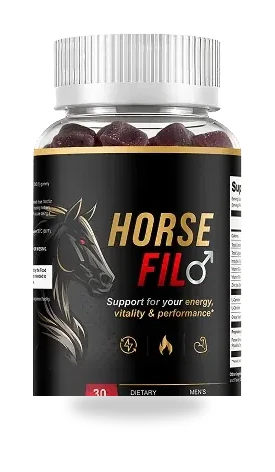
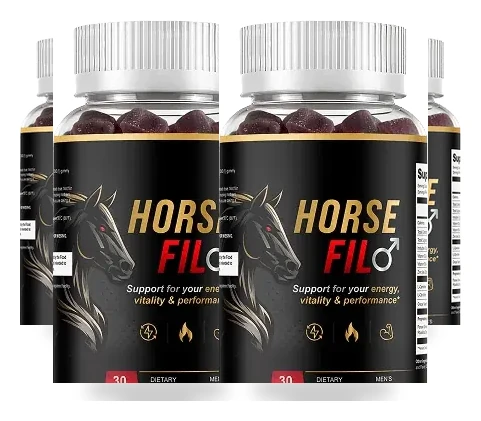
To be straight with you: HorseFil's formula is a vitality-style blend built around Panax ginseng, maca root, rhodiola, L-citrulline, L-carnitine and grape seed extract — not a Tongkat-Ali-led testosterone stack. If a standardized 200–400 mg Tongkat Ali dose is specifically what you are shopping for, the honest thing to do is read the live panel and confirm whether — and at what standardization — it appears, rather than assume it does.
What the two share is the principle this whole article turns on: the value is in disclosed, standardized dosing, and the burden is on the label to prove it. Like most products in the space, HorseFil does not publish a full per-ingredient milligram breakdown, which is a transparency gap we name rather than paper over. Use the same lens on any Tongkat Ali product you compare it against — standardized extract, disclosed milligrams, GMP manufacturing, third-party testing — and let the label, not the marketing, decide.
9. The honest bottom line on Tongkat Ali
Tongkat Ali is the rare men's-vitality botanical with a real, if modest, human evidence base: several randomised controlled trials and a 2022 meta-analysis reported significant testosterone increases at 200 to 400 milligrams of a standardized extract over four to twelve weeks, with a generally mild side-effect profile and an interesting cortisol angle. That is a genuinely stronger hand than tribulus or Fadogia can play.
It is also not a hormone therapy, not an overnight fix, and not a reason to skip a blood test if your energy or drive has genuinely changed. Buy the standardized, tested version; give it a research-length window; keep the lifestyle basics moving in parallel; and treat any product's claims as a promise the label has to back with disclosed milligrams. That is the whole of the honest case, and it is a better one than the hype usually bothers to make.
Compare the label, dose and price yourself
You have the benchmark — a standardized 200–400 mg extract, judged over weeks. Take it to a live product page and confirm the current panel, guarantee and multi-month cost on the official store before you commit.
Frequently asked questions
How much Tongkat Ali should I take for testosterone?
Published trials most often used 200 to 400 milligrams a day of a standardized extract, typically a water extract concentrated around a 100 to 1 ratio. The standardization matters more than the raw milligram number, because it fixes how much of the active constituents you actually receive. Amounts of raw, un-standardized root powder cannot be compared directly to those figures, and any dose is a conversation to have with a clinician first.
How long does Tongkat Ali take to work?
The human trials generally ran for four to twelve weeks, and changes in testosterone markers or stress measures were reported over that window rather than within a day or two. If you try it, judge it over a timeframe that matches the research, not after a few doses. Keep everything else steady so any change can be attributed rather than guessed, and stop if you notice adverse effects.
Is Tongkat Ali safe to take daily?
In studies at 200 to 400 milligrams, Tongkat Ali was generally well tolerated, with reported side effects being mild and uncommon, such as restlessness or lighter sleep and a slight increase in heart rate in some people. It is not a treatment for any medical condition. Speak to a pharmacist or doctor before daily use, particularly if you take medication, have a health condition or are due surgery.
Tongkat Ali vs Fadogia Agrestis: which is better?
Tongkat Ali has the stronger human evidence base, with several randomised controlled trials and a 2022 meta-analysis behind it. Fadogia Agrestis is popular online but its evidence is largely animal studies, with little published human safety or efficacy data. On the current evidence, Tongkat Ali is the better-supported choice, and neither is a substitute for medical assessment if you suspect low testosterone.
References and further reading
- PubMed — randomised trials of Eurycoma longifolia (Tongkat Ali) and testosterone
- PubMed — meta-analysis of Tongkat Ali and testosterone (2022)
- NIH National Center for Complementary and Integrative Health — dietary and herbal supplements
- NIH Office of Dietary Supplements — dietary supplements for performance
- Harvard Health Publishing — Men's Health topic library
We link to standing reference resources and to the literature itself rather than to a single trial, so you can check the current position rather than a snapshot that ages.