Testosterone Booster Timeline: What to Expect
A realistic, week-by-week picture of what a natural testosterone booster does and does not do to your body over the first three months — so you can stay consistent, judge it fairly, and avoid quitting a fortnight before anything would have shown.

How long do testosterone boosters take to work?
Most men notice the earliest changes — steadier energy and deeper sleep — somewhere between weeks two and four. Strength and libido shifts, when they come, usually take eight to twelve weeks. Judge a natural testosterone booster on a full cycle, not a fortnight, because these ingredients build gradually.
- Weeks 2–4: sleep quality and daytime energy are usually the first things to shift.
- Weeks 4–8: the honest window to start deciding whether it is doing anything for you.
- Weeks 8–12: strength, drive and libido changes, if they appear, tend to land here.
If you have just started a bottle and you are already asking how long do testosterone boosters take to work, you are asking the right question at slightly the wrong time. The honest answer is that natural boosters do not flip a switch. They nudge a handful of pathways — nitric oxide, energy metabolism, stress hormones, sleep — and those nudges accumulate over weeks, not hours. The men who are happiest with a supplement like this are almost always the ones who understood the timeline before they opened the lid.
So this guide lays the calendar out plainly: what tends to move in the first month, what you should not expect yet, and why the eight-to-twelve-week mark is the one that actually matters. None of it is a promise that any capsule will change your numbers, and none of it is medical advice — it is a map of realistic expectations, which is the most useful thing to have before you spend three months finding out.
How long do testosterone boosters take to work? The honest timeline
Here is the uncomfortable truth that most sales pages skip: the answer to how long do testosterone boosters take to work is "longer than you want, and it depends on you." Two men can take the identical product and reach the same result on very different schedules, because the starting point is different. Someone sleeping five hours, drinking most nights and training never will feel almost nothing, no matter what is in the bottle. Someone with low-normal testosterone, decent habits and a genuine deficit to correct can feel the early shifts inside a fortnight.
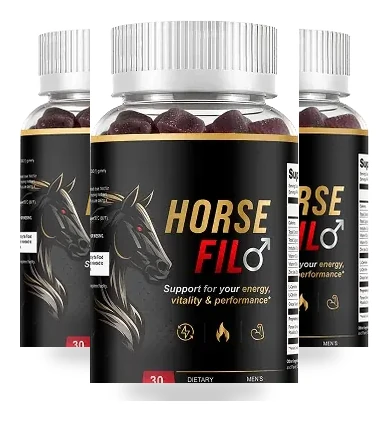
The ingredients matter too. A formula built around Panax ginseng, maca, rhodiola, L-citrulline and L-carnitine — the kind of blend the botanical and amino-acid formula this site covers uses — works through adaptogenic and vascular pathways that are cumulative by design. They are not stimulants. You will not feel a hit an hour after the first dose, and if you did, that would be a reason to be suspicious rather than pleased.
Weeks 1 to 2: the settling-in phase
The first fortnight is mostly invisible, and that is exactly as it should be. Your body is establishing steady blood levels of the active compounds, and most of what is happening is happening below the threshold you can feel. A few men report slightly better sleep or a calmer, steadier mood in this window, particularly from the rhodiola and ginseng side of an adaptogenic blend, but many feel nothing at all.
This is the phase where the most consistency-killing mistake happens. People expect a pre-workout-style kick, feel nothing by day five, and quietly stop taking it or start skipping days. Skipping days is the one thing guaranteed to break the timeline, because these ingredients rely on building up rather than spiking. Treat the first fortnight as an investment with no visible dividend yet, because that is precisely what it is.
Weeks 2 to 4: sleep and energy usually move first
This is where the earliest honest signal tends to appear, and it rarely arrives dressed as "testosterone." It shows up as sleep and energy. Men commonly report falling asleep a little faster, waking a little less, and — the one most people actually notice — a softer afternoon slump. The 3pm crash gets shallower before anything downstream changes, because energy metabolism and sleep architecture respond earlier than strength or libido do.
Why does this happen first? Because it is the shortest causal chain. Better sleep and steadier daytime energy are close-in effects of adaptogens and energy-metabolism support. Strength and drive sit at the end of a much longer chain that runs through training, recovery and hormonal signalling, and that chain simply takes longer to move. If by week four you are sleeping and functioning slightly better, that is a genuine early indicator worth staying the course for — not the finish line, but a reason to keep going.
Give it a window that matches the research
The men who get a fair answer are the ones who commit to a full cycle rather than a starter bottle. Published trials on these ingredients run eight to twelve weeks, so a multi-month supply is the only way to actually test the timeline on yourself — and it works out cheaper per day than reordering one bottle at a time.
Weeks 4 to 8: the window where you actually judge it
Weeks four through eight are the assessment zone. By now, if a natural booster is going to do anything for you, the early sleep-and-energy changes should be settling into something more consistent, and some men begin to notice secondary effects — better gym recovery, a touch more motivation, a mood that holds steadier under pressure. This is the point where it becomes reasonable to start forming a judgement, and crucially, the point where it is far too easy to judge wrong.
The trap here is the subjective memory problem: improvements that build slowly feel like the new normal within a week, so you forget your starting point and conclude "nothing's changed." The fix is boring and effective. Before you start, write down two or three things you can rate — average sleep, afternoon energy, gym performance — on a one-to-ten scale, and revisit them at week six. Measure rather than remember.

Weeks 8 to 12: strength, drive and libido
The eight-to-twelve-week band is where the effects most people were actually hoping for tend to show, if they show at all. Strength and gym output, drive and motivation, and libido changes generally land in this window rather than earlier, because they depend on the slower-moving pathways having had time to work. A booster does not build strength on its own; it supports the environment in which the work you put in translates into results.
This is also why an eight-week supply is the practical minimum for an honest test and a twelve-week run is better. If you stopped at four weeks — as a huge number of people do — you would have quit right before the part of the timeline you were paying for. The meaningful effects are back-loaded, which is the whole reason a multi-month supply exists.
Why your baseline changes everything
Two variables decide how fast and how strongly you respond: your starting testosterone and the dose you are actually getting. Men whose levels sit in the low-normal range — enough of a deficit to correct, but not a clinical problem requiring a doctor — tend to respond fastest and most noticeably, because there is genuine room to move. Men whose testosterone is already comfortably healthy often feel little, simply because there is less to correct. That is not the supplement failing; it is arithmetic.
Dose is the other half. The ingredients in this category have study-backed ranges — Panax ginseng around 600 to 1000 mg of extract, L-citrulline in the gram scale, maca at one-and-a-half to three grams — and a product that lands below those amounts will act slower and weaker, or not at all. This is why reading the Supplement Facts panel before you buy matters more than any timeline chart: if the amounts are not disclosed or sit under the researched doses, no calendar can tell you what to expect. If you are still weighing options, our buying guide to testosterone supplements for men walks through exactly what to check on the label first.

Three reasons your testosterone pills might not be working yet
If you are past the early weeks and feeling nothing, the answer is usually one of three things rather than a faulty product. It is worth ruling these out before you write the whole thing off.
Objection one: "It's been three weeks and I feel nothing." Three weeks is inside the settling-in and early-signal window, not the judgement window. Strength and libido effects are not expected this early for most men, so "nothing yet" at three weeks is the expected reading, not a failure.
Objection two: "My habits must not matter that much." They matter enormously. A booster works with your physiology, not instead of it. Five hours of sleep, heavy alcohol and no resistance training will flatten the response of any formula, because those factors suppress the very pathways the supplement is trying to support. The men who see the clearest timeline are the ones who fixed the obvious basics in parallel.
Objection three: "The effects should be permanent by now." They are not, and that is normal for this whole category. These ingredients support your body while you take them; they do not rewire it. We explain the mechanism in our piece on why supplement benefits fade when you stop taking them. Consistency is the price of the effect, which is the opposite of what most people assume before they start.
How long should you stay on a testosterone booster?
The floor is a full eight-to-twelve-week cycle, because anything shorter is not a test — it is a guess. That is the window the research used, and it is the window your own timeline needs. Below it, you are judging the plot from the first chapter.
Above that floor, it becomes a personal cost-and-benefit decision. If you have reached the end of a cycle with a clear, written improvement you value, many men continue in multi-month blocks and pause every so often to confirm the benefit is still real and not just habit. If you have run a full, consistent cycle with your habits in order and genuinely feel nothing, that is a legitimate reason to stop and reassess — ideally with a clinician, especially if low energy or low drive is persistent, since that can point to something worth measuring. Cost is part of this calculation too, and we break it down in testosterone booster cost per month explained so you can see what a fair test actually costs before you commit.
The most valuable habit in this whole timeline is patience paired with measurement. Set a calendar reminder for the eight-week mark the day your bottle arrives, keep your two or three ratings, and do not let a slow, subjective change convince you nothing happened. That is how you get an honest answer to how long testosterone boosters take to work — on your body, not on a marketing page.
Related reading
- The most common signs of low testosterone in men — how to tell whether you have a deficit worth addressing in the first place.
- Testosterone booster cost per month, explained — what a fair eight-to-twelve-week test actually costs.
- A buying guide to testosterone supplements for men — the label checks that decide whether a timeline is even possible.
Frequently asked questions
How long do testosterone boosters take to work?
Most men notice the earliest changes, usually steadier daytime energy and deeper sleep, somewhere between weeks two and four. Strength and libido shifts, when they occur, tend to take eight to twelve weeks. The honest advice is to judge a natural booster over a full cycle rather than a fortnight, because these ingredients act gradually and depend on your dose and starting point. Men with low-normal levels and consistent habits generally respond fastest.
What should I feel in the first month?
In the first month, the most commonly reported early changes are sleep quality and daytime energy rather than anything dramatic. Some men notice slightly better focus or fewer afternoon slumps by weeks three to four. Strength and libido usually have not moved yet at this point, and that is normal. The first month is a settling-in period, not the moment to decide whether the supplement is working.
Why aren't my testosterone pills working yet?
The most common reasons are that not enough time has passed, that the dose or ingredient amounts are lower than the levels used in studies, or that sleep, training and alcohol are pulling in the opposite direction. Inconsistent daily use is another frequent cause, because these ingredients need to build steady levels. If your starting testosterone is already in a healthy range, the effect you feel may also simply be smaller.
How long should I stay on a booster?
Give any natural booster a minimum eight to twelve week window, since that matches the length of most published trials on the relevant ingredients. If you notice a worthwhile benefit, many men continue in multi-month blocks and periodically pause to confirm the effect is still there. If nothing has changed after a full, consistent cycle and your habits are in order, it is reasonable to stop and reassess with a clinician.
References and further reading
- NIH National Center for Complementary and Integrative Health — Asian Ginseng
- Harvard Health Publishing — Men's Health topic library
- NIH National Institute of Diabetes and Digestive and Kidney Diseases — Low Testosterone
- Mayo Clinic — Testosterone and ageing: what to know
- PubMed — randomised controlled trials of Panax ginseng, fatigue and vitality
We link to standing reference resources and to the literature itself rather than to a single trial, so you can check the current position rather than a snapshot that ages.