Testosterone Booster Cost Per Month, Explained
The sticker price on a bottle is the least useful number in the whole decision. Here is how to work out a fair monthly cost by dose, and how to avoid paying more for less.
How much do testosterone boosters cost per month?
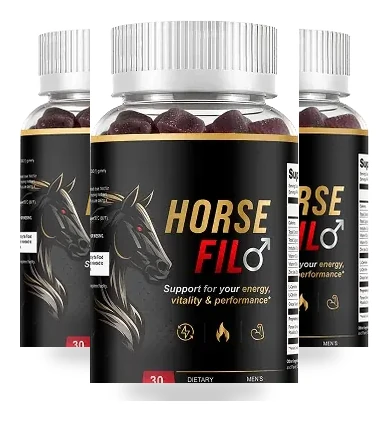
Quality botanical testosterone boosters generally run about thirty to seventy dollars a month at a single-bottle price, with multi-bottle bundles pushing the monthly figure toward the lower end. What matters more than the sticker is the cost per clinically dosed serving, because an underdosed bargain can cost more per effective serving than a pricier bottle dosed properly.
- Fair range: roughly $30–$70 a month; bundles lower the per-month figure.
- Real metric: cost per clinically dosed serving, not price per bottle.
- Watch out: auto-ship traps and cheap-but-underdosed bottles that cannot work.
Almost every guide to this category answers the wrong question. You want to know the true testosterone booster cost per month, and you get handed a sticker price on a single bottle — the least useful number in the entire decision. A bottle price tells you what you hand over at checkout. It does not tell you what a month of an effective dose actually costs, whether the capsules contain enough of anything to matter, or whether you have just enrolled in a subscription you will spend twenty minutes trying to cancel. This article fixes all three, because the arithmetic is simple once someone shows you where to look.
We cover HorseFil, so the disclosure comes first and plainly: we earn a commission if you buy through our links. That is the reason this piece is built around a method you can apply to any product, including ours, rather than a number we want you to accept. If the maths says a formula is overpriced for what it delivers, the maths says so regardless of who is writing.
Why the bottle price lies to you
A single bottle usually contains 30 servings, one a day, so a 30-count bottle is roughly a month. Simple enough. The distortion creeps in three ways. First, some bottles are 60 capsules taken twice a day, which is still only a month even though the count looks double. Second, the headline single-bottle price is almost never what a committed buyer pays, because the two-, three- and six-bottle bundles cut the per-month figure substantially. Third, and most important, two bottles at the same price can contain wildly different amounts of active ingredient — and the cheaper feeling one can be the worse deal.
So the bottle price is an entry point, not the answer. The number you actually care about is cost per clinically dosed serving: what it costs, per day, to take an amount of each ingredient that lines up with what studies used. That is the figure that separates a genuine value from an expensive dud and, just as often, from a cheap one.
The only calculation that matters: cost per clinically dosed serving
Here is the whole method in four steps, and it takes about two minutes with the label open.
- Find the daily serving. Is one "serving" one capsule or three? The Supplement Facts panel states it. This is where underdosed products hide — a low price on a serving that is a third of the studied amount.
- Count servings per bottle. Total capsules divided by capsules per serving. A 90-count bottle at three capsules a day is 30 servings, a month.
- Divide price by servings. That is your cost per day. Multiply by 30 for a clean monthly figure you can compare across products.
- Sanity-check the dose. A rock-bottom cost per serving on amounts far below what research used is not cheap, it is money spent on capsules that cannot do the job.
Run that on three products and the rankings often invert. The bottle that looked expensive can be the cheapest per effective serving, and the "bargain" can turn out to cost more for a dose that does nothing. To do step four properly you need a readable label, which is exactly what our guide to reading a Supplement Facts panel before you buy is for.
A worked example, with real numbers
Abstract steps are easy to nod along to and hard to apply, so here is the method run on three invented-but-typical bottles. Product A is $19 for 30 capsules taken once a day, so 30 servings at about 63 cents a day — but the label lists amounts roughly a third of what studies used, so those cheap servings are underdosed. Product B is $59 for a 90-count bottle at three capsules a day: also 30 servings, about $1.97 a day, at amounts that line up with the research. Product C is that same Product B bought as a three-bottle bundle for $147, which works out to $49 a bottle, roughly $1.63 a day.
Line those up and the "expensive" bottle turns out to be the honest one. Product A looks half the price but buys a dose that cannot do the job, so its true cost per effective serving is effectively infinite — you are paying 63 cents a day for nothing. Product B costs more per day but every serving is worth taking. Product C is the same worthwhile product for a fifth less per day, purely by buying the quantity you were going to need anyway. The sticker ranked them A, C, B from cheapest; the maths ranks them C, B, A by value, and A is not really on the list at all. That inversion is the entire reason to run the numbers before you trust a price.
What a fair testosterone booster cost actually looks like
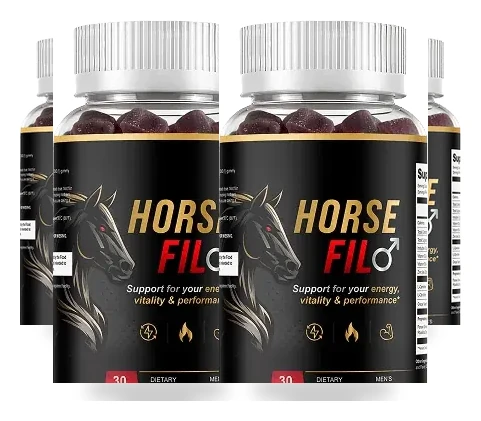
With that method in hand, the ranges become meaningful rather than arbitrary. Quality botanical testosterone boosters tend to land in a recognisable band, and knowing it protects you from both overpaying and the false economy of the cheapest shelf.
| Monthly band | What it usually signals | The catch to check |
|---|---|---|
| Under $20 | Bargain shelf, often underdosed | Amounts far below studied doses |
| $30–$70 single bottle | Typical quality range | Confirm the dose justifies it |
| $30–$50 via bundle | Same product, bought in bulk | Only value if you will finish it |
| $80+ | Premium or heavy marketing | Are you paying for dose or a story? |
The two ends are where mistakes live. Under twenty dollars a month is rarely a real deal, because the way to hit that price is usually to shrink the doses below anything the research supports. Above eighty, the question flips: you are entitled to ask whether the premium buys clinically relevant amounts and third-party testing, or a heavier advertising budget and a nicer bottle. The comfortable middle exists for a reason.
Do the per-month maths on a real product
The fastest way to make this concrete is to run the four-step calculation on an actual bundle. The HorseFil pricing page lays out its single-bottle and multi-bottle options so you can work out the per-month figure yourself rather than trusting a headline — and the bundles are where the monthly cost drops.
The subscription trap, and how to sidestep it
The single biggest way men overpay in this category is not the sticker price, it is the auto-ship. "Subscribe and save" reads like a discount and often functions like a snare: the recurring terms sit in small print, the box is pre-ticked, the first "discounted" order quietly becomes a monthly charge, and the cancellation path is engineered to be tedious. The saving is real; the friction to stop is the product.
The defence is boring and effective. Read the checkout screen before you pay, not after. Prefer a one-time multi-bottle purchase where you decide when to reorder, rather than a subscription that decides for you. Find the refund window and the cancellation steps before handing over a card, and screenshot the terms. The rule that has never failed anyone: if you cannot easily find how to cancel before you buy, that is the reason not to buy, not a detail to untangle next month.
Cheap is not the same as value
It is worth stating the principle directly because the whole category is built to blur it. Value is result per dollar, and a dollar spent on an amount too small to work returns nothing. That makes an underdosed twelve-dollar bottle genuinely more expensive than a properly dosed forty-dollar one, because the cheap version buys zero effect and the other buys a real chance of one. Price is what you pay; dose is what you get; and only the ratio between them deserves the word "value."
This is also why "boost" claims and the price tag should be read together. A very cheap booster promising dramatic results is making two implausible claims at once, and neither the dose nor the timeline usually supports it. For the wider framework on choosing a formula on its merits rather than its price, our guide to what to look for in a natural testosterone booster pairs directly with the cost maths here.
The costs the price tag leaves out
Two figures sit outside the sticker and quietly change the monthly maths. The first is shipping: a low bottle price with a chunky delivery fee can cost more delivered than a slightly higher price with free shipping, and multi-bottle bundles usually cross the free-shipping threshold that single bottles miss. The second is the refund window, which is really a form of price. A product with a genuine money-back guarantee lets you cap your downside at the cost of trying it, while a no-returns bargain puts the full price at risk if it does nothing for you. Factor both in before deciding which option is actually cheapest, because the delivered, guarantee-adjusted cost is the only one you truly pay.
Keeping the number in perspective
It helps to place the monthly cost next to what it is competing with. Thirty to seventy dollars a month is roughly the price of a few coffees a week, and it sits well below the ongoing cost of most prescription routes, which carry a consultation and a per-dose price of their own. That is not an argument that a supplement does what a prescription does — it does not, and a doctor is the right person to weigh that choice. It is only to say the botanical option is a modest line item rather than a major one, and knowing the fair band stops a marketer from framing an ordinary price as either a once-in-a-lifetime steal or a justified splurge.
Budget for the timescale, not the first bottle
The last piece of the arithmetic is time. Botanical ingredients build over roughly eight to twelve weeks, which means a single bottle almost never runs long enough to tell you anything real. Buying one bottle, feeling nothing after three weeks, and quitting is the most expensive outcome of all, because you paid the full price of a test you cut short before it could return a result.
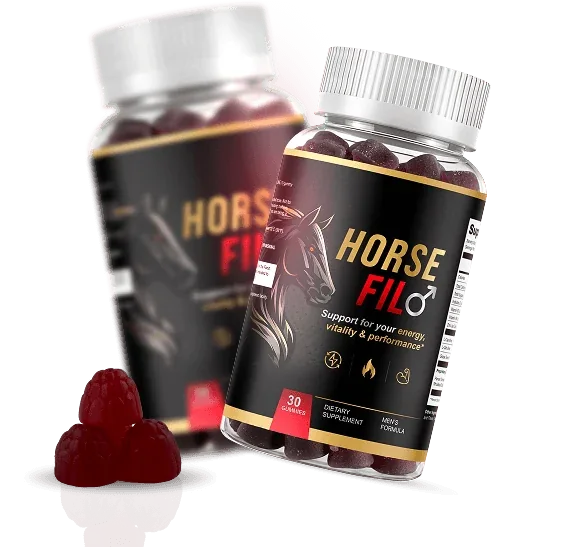
So budget for a two-to-three month supply from the start. It lowers your cost per month, and more importantly it gives the product a fair test rather than a rushed one. If you want the detail on why these effects need weeks and do not stick around once you stop, our piece on why supplement effects are not permanent explains the timescale you are actually budgeting for.
Putting the numbers together
A fair testosterone booster cost, then, is not a single figure — it is a small habit. Convert the bottle price to cost per clinically dosed serving. Sanity-check that the dose is worth paying for at all. Refuse the auto-ship and control your own reorder. Budget for the eight-to-twelve-week window so you are testing a routine, not a first impression. Do those four things and you will pay a fair price for a product that has a real chance of earning it, whether that product is HorseFil or anything else on the shelf. That is the whole point of running the maths yourself: it works no matter who is selling.
Related reading
Frequently asked questions
How much do testosterone boosters cost per month?
Quality botanical testosterone boosters generally run about thirty to seventy dollars a month at a single-bottle price, and multi-bottle bundles usually bring the monthly figure toward the lower end. What matters more than the sticker is the cost per clinically dosed serving, because a cheap bottle that is underdosed can cost more per effective serving than a pricier one that is dosed properly. Judge the monthly cost against the dose, not the label price alone.
Are expensive testosterone boosters worth it?
Sometimes, but price alone tells you nothing. A higher cost is only worth it if it buys clinically relevant doses, transparent labelling and ideally third-party testing, rather than marketing or a fancy bottle. Equally, a bargain bottle is not value if the amounts are too small to do anything, because you are paying for capsules that cannot work. Compare the cost per effective serving and what that money actually buys, not the headline number.
How do I avoid supplement subscription traps?
Read the checkout before you pay. Auto-ship and subscribe-and-save offers often hide the recurring terms in small print, enrol you automatically, and make cancellation deliberately awkward. Prefer a one-time multi-bottle purchase where you control the reorder, check the refund window and how cancellation works, and screenshot the terms. If you cannot find how to cancel before you buy, treat that as a reason not to buy rather than a detail to sort out later.
How many months should I buy to see results?
Plan for a two-to-three-month supply, because botanical ingredients build over roughly eight to twelve weeks and a single bottle rarely runs long enough to judge a trend. Buying a multi-bottle bundle usually lowers the cost per month and, more importantly, gives the formula a fair test window. If a product only offers a single bottle, budget for reordering before you run out so you are evaluating a sustained routine rather than a first few weeks.
References and further reading
- U.S. FTC — guidance on negative-option and auto-renewal marketing
- NIH NCCIH — Using Dietary Supplements Wisely
- NIH Office of Dietary Supplements — ingredient fact sheets with typical study doses
- FTC Consumer Advice — buying dietary supplements
- Mayo Clinic — Drugs and Supplements reference
We link to standing reference resources rather than to a single trial or a fixed price, so you can check the current position rather than a snapshot that ages.